Why the next chapter of HR technology is being written in the Gulf
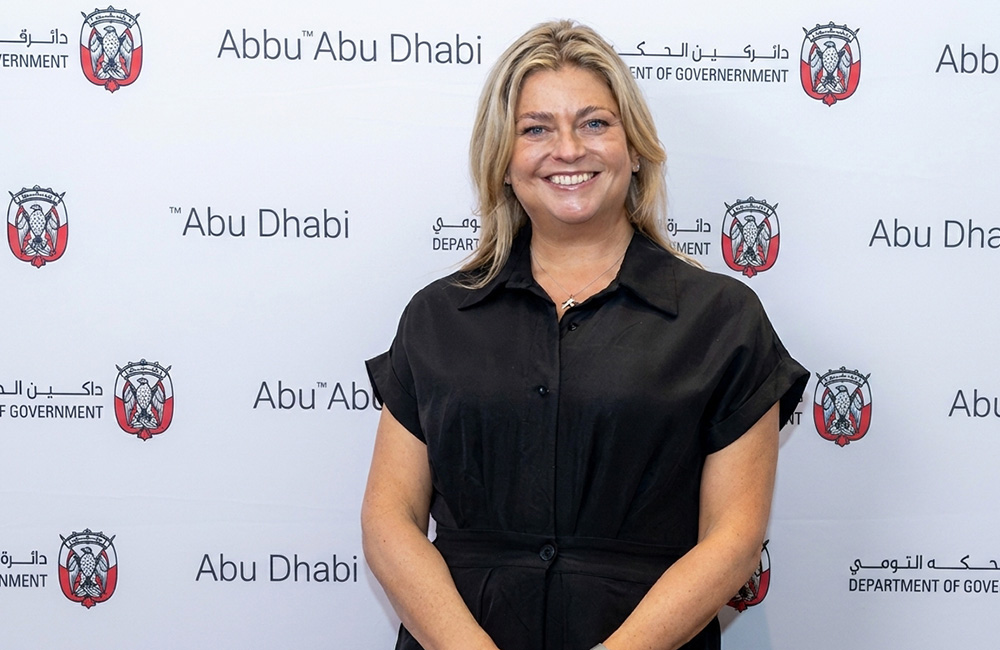
By Debbie French, International Portfolio Director, Arc network.
Thirty years ago, a typical day in HR looked unimaginable to some of us now. Applications arrived in envelopes. CVs were printed, stacked and sorted by hand. Records lived in filing cabinets, and a good part of every week disappeared into admin tasks. Then the first desktop computers and email arrived, and a familiar worry spread with them: if a machine can do this, what happens to us?
Look back now and the answer is clear. Nobody misses the filing cabinet. The work did not disappear. It moved toward the parts that were always more valuable, the conversations, the judgment and the people.
We are at the same point again, only the pace is faster. News about AI is everywhere and it is evolving by the day. Some developments are genuinely useful; much of the surrounding commentary is noise. Much of it is also designed to alarm, with headlines predicting that machines will take over the workforce. We are all afraid of what we don’t know, and right now there is a great deal that people still don’t know.
Why a safe space matters
My view is simple. AI should be treated as a colleague that augments human judgement, not a replacement for it. In HR, its greatest value is taking the admin off our plates. In recruitment, that means more time spent with actual candidates and less time buried in the process. It is the human side of the job, and it is where the real strength of a business sits.
But the tools are only half of the story. The tools are ready. The harder question is whether people are ready.
That is why HR tech has to start with psychology, not software. Adoption fails when people feel they are being tested, replaced or judged for not knowing. It succeeds when they feel safe enough to ask the basic questions, try something, get it wrong and try again. Learning should never feel like a chore. It should be encouraged, and it needs a place where nobody is embarrassed to say “I don’t understand this yet.”
Businesses set that environment. Culture decides whether natural curiosity is rewarded or quietly punished. Employers also carry real concerns around data privacy, the cost of investment and proving return. These are fair concerns and they deserve straight answers. No fluff.
Abu Dhabi sets the stage
This is where the region comes in. Abu Dhabi has set out ambitious plans for the future of its economy and its people, and the UAE is following with equally striking objectives. What impresses me most is how much attention goes to the human element. The plans do not stop at just deploying technology. They focus on making sure it is adopted, and investing in the support and skills people need to navigate that change.
TAMM is the clearest example. Not long ago, dealing with government meant queues, paperwork and trips between offices. Services in Abu Dhabi come from more than 30 separate entities, including police, health, municipal and transport bodies, and TAMM brings them together on a single platform with an AI assistant that can answer questions and complete services on a resident’s behalf. The idea is not to bolt AI onto old processes. It is to make the government work around people.
Just as important, the government has prepared its own people for the change. By the end of 2025, 95% of Abu Dhabi public-sector employees had completed AI training, which took coordination across more than 40 government entities. That is leading by example. The message to the workforce is clear and encouraging: come on, try it, keep learning, this is the future. And people respond. In my experience they are not afraid. They are willing, able and ready to be part of the change.
Why HR tech, and why the Gulf
The ambition reaches all the way from national strategy to the day-to-day worker. The aim is a workforce that works smarter, and that is also more human, with a better balance between work and home. Anyone who remembers the admin-heavy days of years ago will recognise how big that shift is.
Abu Dhabi has put a date on it. The emirate is accelerating towards becoming the world’s first AI-native government by 2027. That target is now just over a year away, and it is being pursued with training, platforms and people moving together, not technology alone.
That combination is why the Gulf is where the next chapter is being written. There is government will at the top, a culture that encourages curiosity, and a clear intention to keep people at the centre of every decision. Tools are available everywhere in the world. What the Gulf has is the readiness to adopt them well, walking with technology and people together.