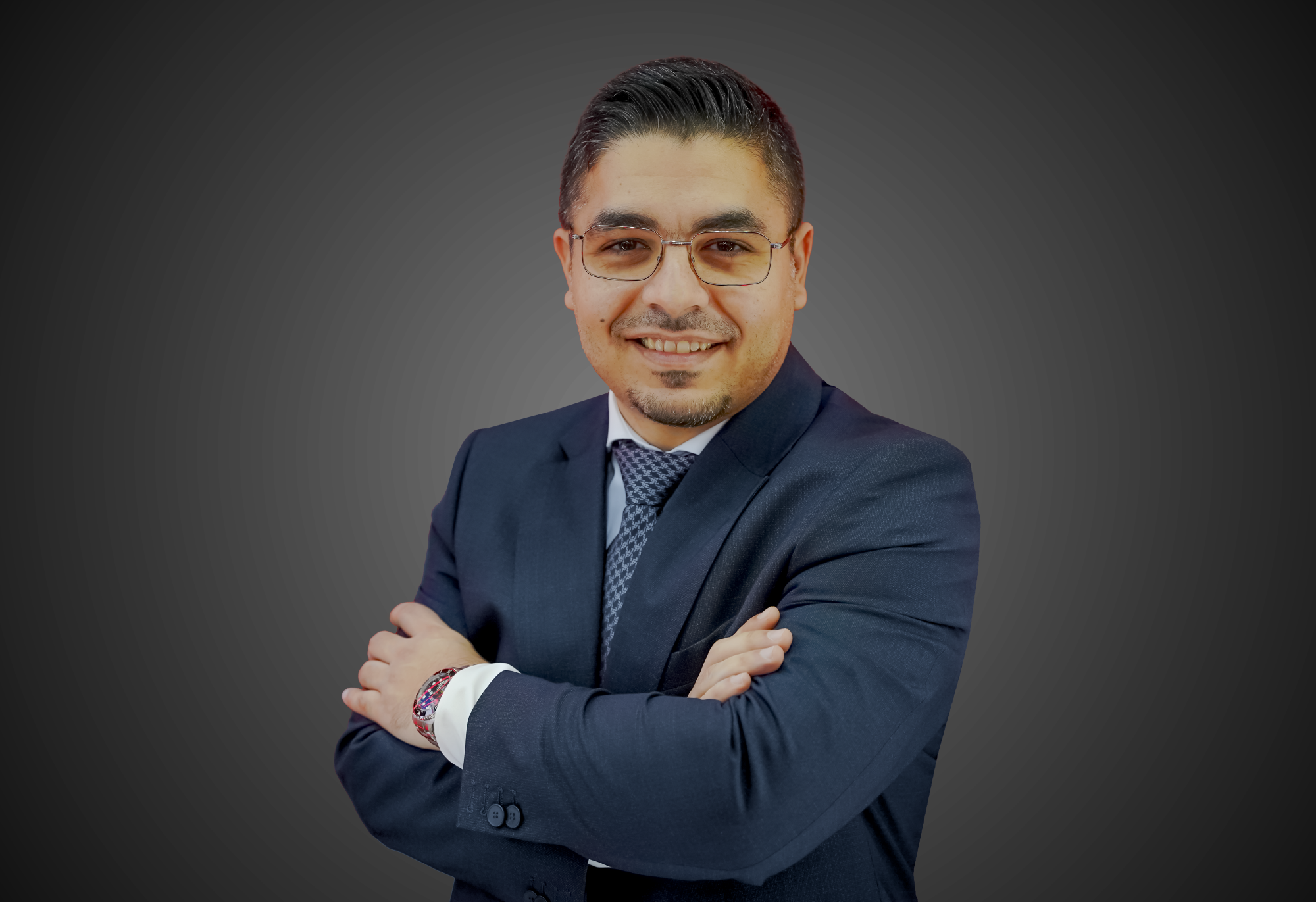
In an exclusive interview with TechPulse Media at the CyberNext Conference 2026 by Help AG, Christopher Zinn, Principal Cloud, DevSecOps & AI Security Architect at Help AG, outlined the priorities he believes organisations must address over the coming years. He highlighted AI security, digital sovereignty and the approaching threat posed by quantum computing, arguing that businesses need to prepare now rather than wait for these challenges to become more immediate.
At Help AG’s CyberNext Conference 2026, cybersecurity and IT leaders examined the challenges organisations are facing as artificial intelligence reshapes the digital environment. For the UAE, the next phase of cyber resilience will depend on securing AI adoption, maintaining control over sensitive data and preparing for emerging cyber threats that could challenge established security systems.
AI security becomes a business priority
As organisations increasingly adopt AI to improve efficiency and business performance, securing these technologies is becoming a critical challenge.
“AI security is at the forefront” Zinn said, highlighting it as one of the most important cybersecurity priorities for UAE organisations in the coming years.
He outlined three pillars of AI security: “AI governance, security for AI and AI for security use”.
AI governance involves establishing organisational policies and regulatory compliance frameworks for responsible AI use. Security for AI focuses on protecting applications, chatbots, AI agents and the infrastructure supporting them. AI for security, meanwhile, involves using AI to strengthen cyber defences, including threat detection and security operations.
Chris Zinn said Help AG had also been addressing these challenges internally before advising customers, reflecting an environment in which technology providers and businesses are learning to secure AI together.
Rather than attempting to tackle every challenge simultaneously, he encouraged organisations to identify priorities across these three areas and develop a structured security strategy.
Digital sovereignty shapes technology choices
Digital sovereignty is another growing consideration for UAE organisations selecting technology and cybersecurity partners.
Christopher described UAE as being ahead of the curve on sovereignty, which requires businesses to understand where their data is stored and processed, who can access it and how it is managed.
Cloud-native organisations must balance agility with control over data and infrastructure. Others may operate through on-premises systems, private clouds or locally hosted public cloud environments.
For regulated organisations, sovereignty has increasingly become a board-level issue. Zinn said security leaders must consider where their security tools are deployed when evaluating vendors, alongside their wider operational and compliance requirements.
Cyber warfare in the age of AI
AI is increasing the potential speed and scale of cyberattacks, especially after the recent situation in the region, making effective defensive capabilities more important.
Zinn explained that traditional attack methods remain relevant, but AI agents can automate malicious activities and extend their reach across thousands of potential targets.
He also highlighted AI’s potential to strengthen cybersecurity. By integrating AI into security operations centres, organisations can reduce repetitive workloads and help analysts focus on complex threats that require human judgement.
The objective, he said, should be to use AI to supplement security professionals rather than replace them. Combining human expertise with AI-driven capabilities can help organisations improve their resilience as threats evolve.
Preparing for the quantum challenge for the future
Looking towards the next decade, Chris Zinn identified quantum computing as a significant consideration for cybersecurity planning.
The industry is approaching what is commonly known as “Q-day”, when sufficiently powerful quantum computers could break widely used cryptographic algorithms, potentially compromising systems that rely on current encryption methods.
Zinn urged organisations to begin by identifying their cryptographic assets. While SSL and TLS certificates are relatively straightforward to locate, software codebases can contain thousands of additional cryptographic assets that are harder to track manually.
He recommended automated scanning solutions to build an inventory of these assets across an organisation, particularly within its codebases. Businesses can then identify vulnerable cryptography and plan the necessary steps towards quantum-resistant alternatives.
For UAE organisations, the broader message is clear: cybersecurity must evolve alongside digital transformation. Securing AI, maintaining control over sensitive data and preparing for emerging technological threats will be essential to building resilience over the coming decade.